




08
2026
-
07
The Future of Nonwoven Textiles: Trends in PP Spunbond Fabric
The Future of Nonwoven Textiles: Trends in PP Spunbond Fabric Table of Contents Introduction to Nonwoven Textiles Understanding PP Spunbond Fabric Current Market Trends in Nonwoven Textiles Sustainability in Nonwoven Textiles Technological Advancements Shaping the Future Applications of PP Spunbond Fabric Challenges and Opportunities in the Industry Looking Ahead:

The Future of Nonwoven Textiles: Trends in PP Spunbond Fabric
Table of Contents
- Introduction to Nonwoven Textiles
- Understanding PP Spunbond Fabric
- Current Market Trends in Nonwoven Textiles
- Sustainability in Nonwoven Textiles
- Technological Advancements Shaping the Future
- Applications of PP Spunbond Fabric
- Challenges and Opportunities in the Industry
- Looking Ahead: The Future of Nonwoven Textiles
- Conclusion
- FAQs
Introduction to Nonwoven Textiles
Nonwoven textiles have revolutionized the fabric industry by providing versatile solutions that cater to various applications. Unlike traditional woven fabrics, nonwovens are created by binding fibers together using mechanical, thermal, or chemical processes. This unique production method allows for the creation of materials that are lightweight, durable, and often cost-effective. Among the different types of nonwoven fabrics, **polypropylene (PP) spunbond fabric** has gained significant traction due to its numerous advantages, including excellent strength, breathability, and resistance to moisture.
As we delve into the future of nonwoven textiles, especially focusing on PP spunbond fabric, it is essential to understand the current trends shaping the industry. By examining market dynamics, sustainability efforts, and technological advancements, we can gain insights into what lies ahead for this essential material.
Understanding PP Spunbond Fabric
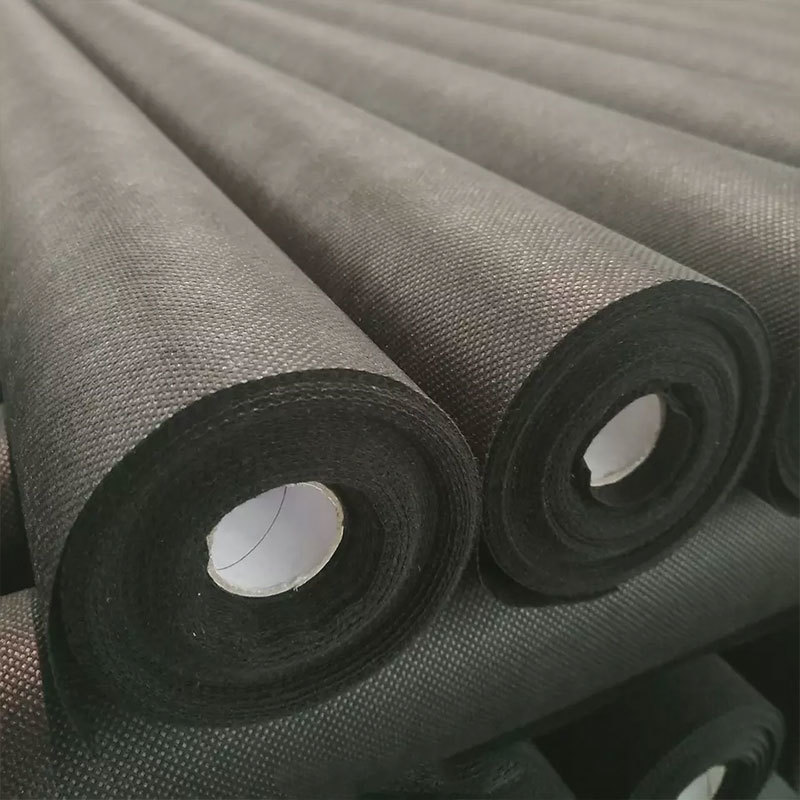
PP spunbond fabric is a type of nonwoven textile made from polypropylene fibers. The spunbond process involves extruding molten polypropylene, followed by cooling and laying down the fibers in a web formation, which are then bonded together through heat and pressure. This method offers several benefits:
Key Characteristics of PP Spunbond Fabric
1. **Strength and Durability**: The fabric boasts high tensile strength, making it ideal for applications requiring robustness.
2. **Lightweight**: PP spunbond is significantly lighter than woven fabrics, allowing for easier handling and transportation.
3. **Breathability and Moisture Resistance**: Its unique structure allows air to pass through while resisting moisture, making it suitable for various uses.
4. **Cost-Effectiveness**: Due to its efficient production method, PP spunbond fabric is often more economical than its woven counterparts.
Industry Applications
PP spunbond fabric finds wide-ranging applications across several industries, including hygiene products, medical textiles, agriculture, and construction. Its versatility makes it a preferred choice for disposable products, such as surgical gowns and diapers, as well as reusable items like agricultural covers.
Current Market Trends in Nonwoven Textiles
The nonwoven textiles market is witnessing dynamic changes driven by evolving consumer needs and technological innovations. Several notable trends are emerging:
Rise in Demand for Hygiene Products
The COVID-19 pandemic has accelerated the demand for hygiene products, leading to a surge in the production of PP spunbond fabric for medical and personal protective equipment (PPE). This trend shows no signs of slowing down, as consumers continue to prioritize cleanliness and safety.
Increased Adoption of Eco-Friendly Materials
With growing concerns about environmental sustainability, there is an increasing demand for eco-friendly nonwoven textiles. Manufacturers are exploring biodegradable and recyclable options, which not only meet consumer expectations but also align with global sustainability goals.
Technological Advancements in Production Processes
Innovations in nonwoven manufacturing processes are enhancing product quality and efficiency. Advanced technologies such as meltblown, spunlace, and needle-punching are being integrated into traditional spunbond processes, resulting in superior fabrics that cater to specific industry needs.
Sustainability in Nonwoven Textiles
Sustainability is at the forefront of the textile industry, and nonwoven fabrics, particularly PP spunbond, are not exempt from this trend. Manufacturers are increasingly focusing on sustainable practices throughout the supply chain.
Bio-Based and Recycled Materials
The use of bio-based and recycled polypropylene is gaining traction. By sourcing materials from renewable resources or recycling existing products, companies can significantly reduce their environmental footprint.
Life Cycle Assessment (LCA)
Conducting life cycle assessments allows manufacturers to evaluate the environmental impact of their products from production to disposal. By identifying areas for improvement, companies can implement strategies to minimize waste and energy consumption.
Technological Advancements Shaping the Future
Technological innovations are reshaping the landscape of nonwoven textiles. Several exciting advancements are paving the way for enhanced performance and functionality.
Smart Nonwoven Textiles
The integration of smart technologies into nonwoven textiles is a game-changer. Fabrics embedded with sensors can monitor parameters such as temperature, moisture, and even biological markers, opening up new possibilities in healthcare and consumer products.
3D Printing in Nonwoven Fabrics
The emergence of 3D printing technology allows for customized nonwoven textiles tailored to specific applications. This technology facilitates rapid prototyping and reduces waste, making it a sustainable choice for manufacturers.
Applications of PP Spunbond Fabric
The versatility of PP spunbond fabric extends beyond traditional uses. Its unique properties have led to innovative applications in various sectors.
Medical and Healthcare Applications
The medical industry relies heavily on PP spunbond fabric for the production of surgical gowns, drapes, and masks. Its ability to provide a barrier against liquid and microbial contamination makes it a preferred material for infection control.
Agricultural Uses
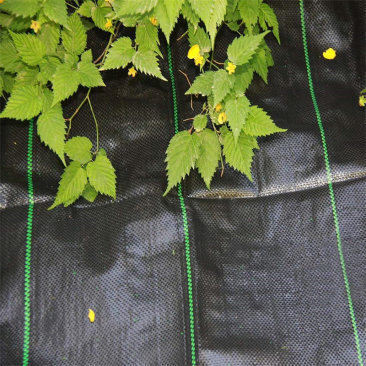
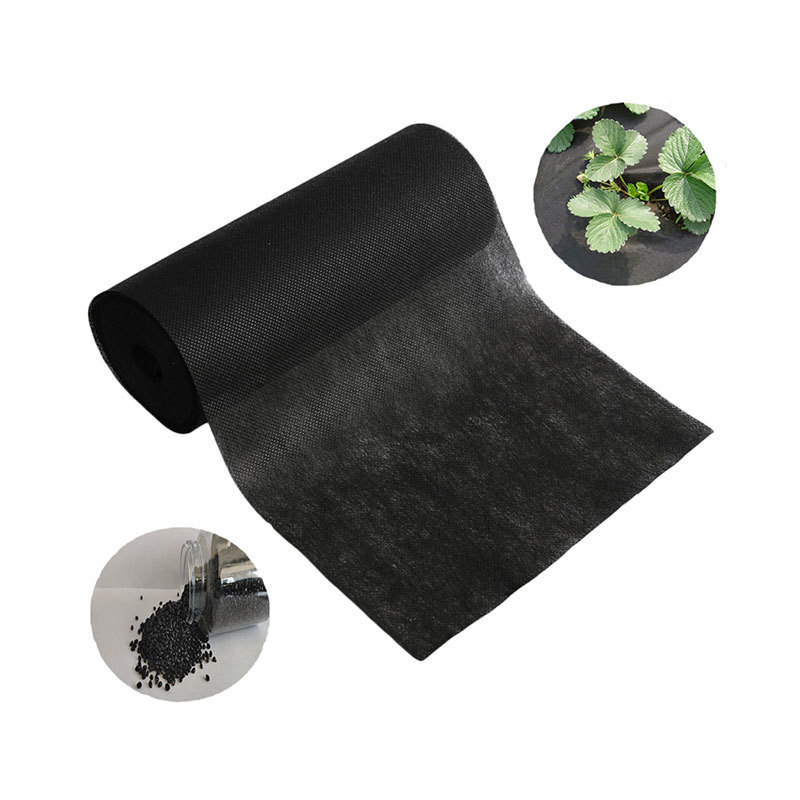
In agriculture, PP spunbond fabric serves as an effective protective cover for crops. It helps regulate temperature, retain moisture, and shield plants from pests, ultimately enhancing yield quality.
Construction and Geotextiles
PP spunbond fabric is also utilized in construction as geotextiles, aiding in soil erosion control and drainage. Its strength and durability make it ideal for reinforcing structures and preventing soil degradation.
Challenges and Opportunities in the Industry
While the nonwoven textiles industry is poised for growth, it faces certain challenges that need to be addressed.
Raw Material Supply Chain Issues
The availability and price volatility of raw materials, particularly polypropylene, can impact production costs and supply chain stability. Manufacturers must develop strategies to mitigate these risks.
Environmental Regulations
Stricter environmental regulations may compel manufacturers to invest in more sustainable practices. While this can be a challenge, it also presents an opportunity for innovation and differentiation.
Looking Ahead: The Future of Nonwoven Textiles
As we look to the future of nonwoven textiles, the trends and advancements discussed will continue to shape the industry landscape. Manufacturers who prioritize sustainability, embrace technology, and adapt to changing market demands will be better positioned to thrive.
Innovation as a Key Driver
Innovation will remain a crucial factor in driving growth. Companies that invest in R&D and explore new materials and production techniques will lead the charge in developing cutting-edge nonwoven textiles.
Consumer-Centric Approaches
Understanding consumer preferences will be vital in guiding product development. As consumers become more environmentally conscious and seek innovative solutions, manufacturers must respond with products that align with these values.
Conclusion
The future of nonwoven textiles, particularly in the realm of PP spunbond fabric, is bright and full of potential. By staying attuned to market trends, embracing sustainability, and leveraging technological advancements, the industry can meet the evolving demands of consumers and remain competitive. The journey ahead will undoubtedly be shaped by innovation and a commitment to responsible practices, paving the way for a sustainable and prosperous future in nonwoven textiles.
FAQs
What is PP spunbond fabric used for?
PP spunbond fabric is widely used in hygiene products, medical textiles, agriculture, and construction, among other applications.
How is PP spunbond fabric made?
PP spunbond fabric is produced by extruding molten polypropylene, laying down fibers in a web formation, and bonding them using heat and pressure.
Why is sustainability important in the nonwoven textiles industry?
Sustainability is crucial to meet consumer demands, comply with environmental regulations, and reduce the industry's impact on the planet.
What are the advantages of using nonwoven textiles over traditional fabrics?
Nonwoven textiles offer benefits such as lightweight properties, cost-effectiveness, and enhanced durability compared to traditional woven fabrics.
What trends are influencing the future of nonwoven textiles?
Current trends include the rise in demand for hygiene products, increased adoption of eco-friendly materials, and advancements in production technologies.
pp spunbond nonwoven fabric

LEAVE A MESSAGE
MESSAGE