




13
2026
-
01
Understanding Polyester Spunbond Fabric: Characteristics and Applications
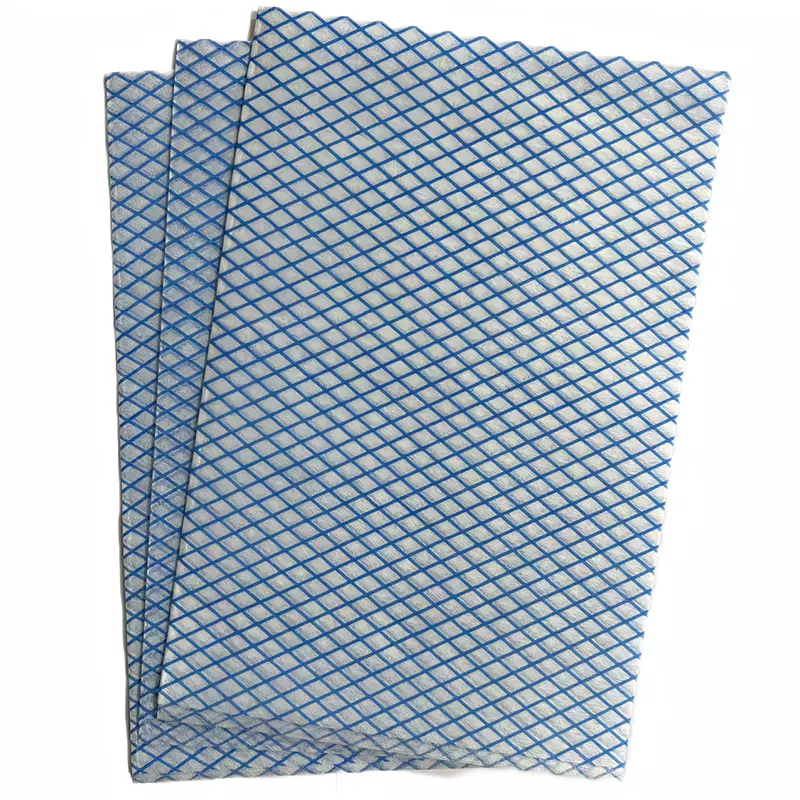
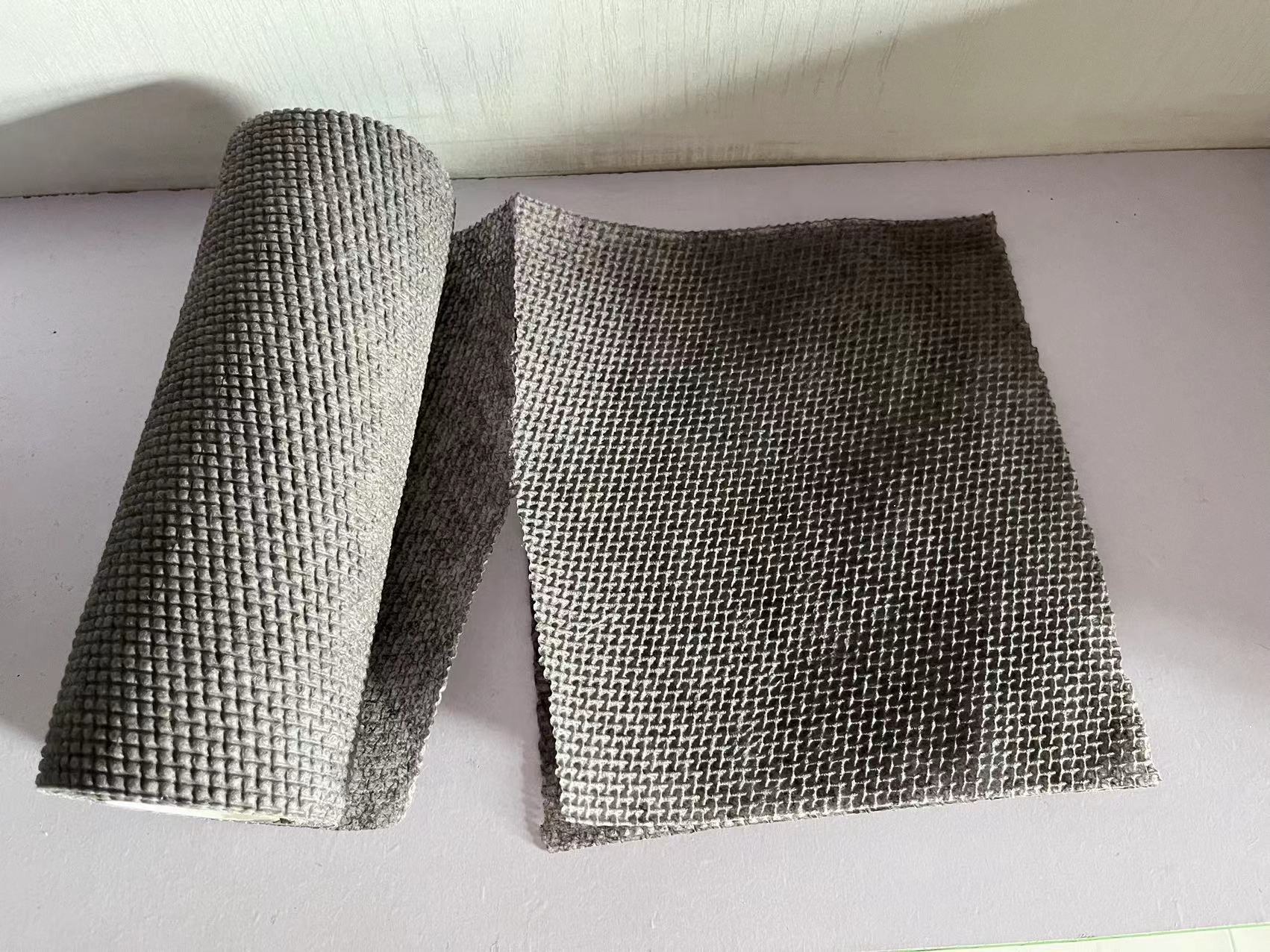
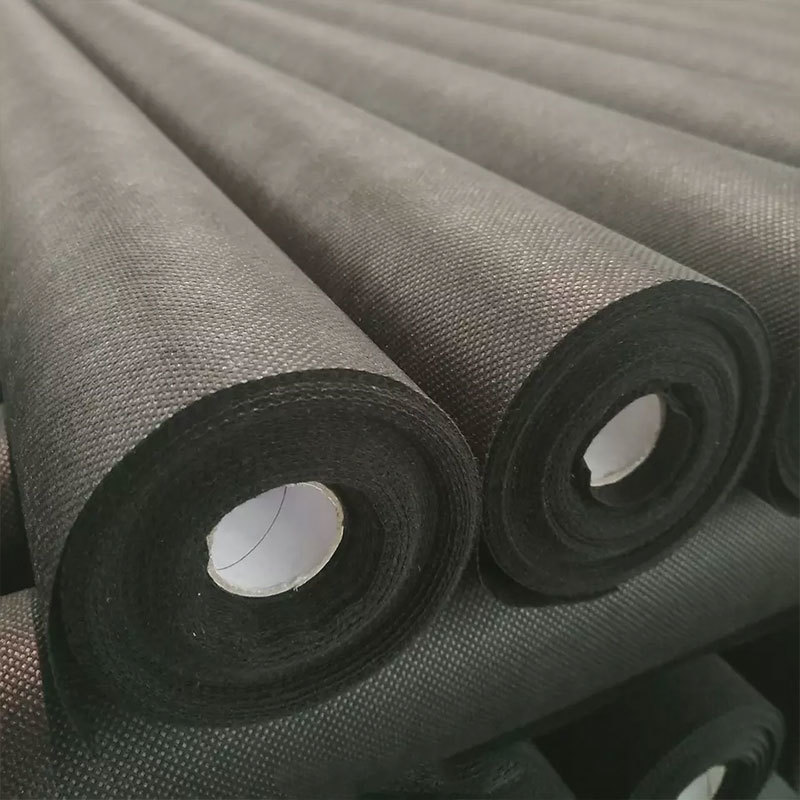
Polyester spunbond fabric is a type of nonwoven textile that has gained considerable popularity in various industries due to its unique properties and versatility. This fabric is produced through a process known as spunbonding, where continuous filaments of polyester are extruded and then bonded together using heat and pressure, resulting in a durable, lightweight, and strong material. One of the

Polyester spunbond fabric is a type of nonwoven textile that has gained considerable popularity in various industries due to its unique properties and versatility. This fabric is produced through a process known as spunbonding, where continuous filaments of polyester are extruded and then bonded together using heat and pressure, resulting in a durable, lightweight, and strong material.
One of the defining characteristics of polyester spunbond fabric is its exceptional strength. The fabric offers high tensile strength, making it suitable for applications that require durability. Additionally, it is resistant to tearing and has a good resistance to various chemicals, which makes it ideal for use in environments that may expose it to harsh substances.
Another significant advantage of polyester spunbond fabric is its breathability. Unlike traditional woven fabrics, spunbonded materials allow for air and moisture to pass through, making them ideal for applications such as hygiene products, medical textiles, and agriculture. For instance, in the healthcare sector, polyester spunbond fabric is used to create surgical gowns, drapes, and masks, providing a barrier against contaminants while ensuring comfort for the wearer.
Polyester spunbond fabric is also known for its lightweight nature. This feature is crucial in applications where weight is a concern, such as in the production of disposable products like bags and table covers. The fabric can be manufactured in various weights and thicknesses, allowing for customization based on specific needs.
Moreover, polyester spunbond fabric is environmentally friendly as it can be recycled and reused. Many manufacturers are now focusing on sustainable production practices, and the recyclability of polyester helps reduce waste in the textile industry. Additionally, the fabric can be dyed and printed easily, offering aesthetic versatility for branding and design purposes.
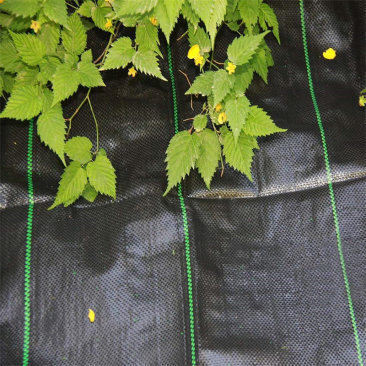
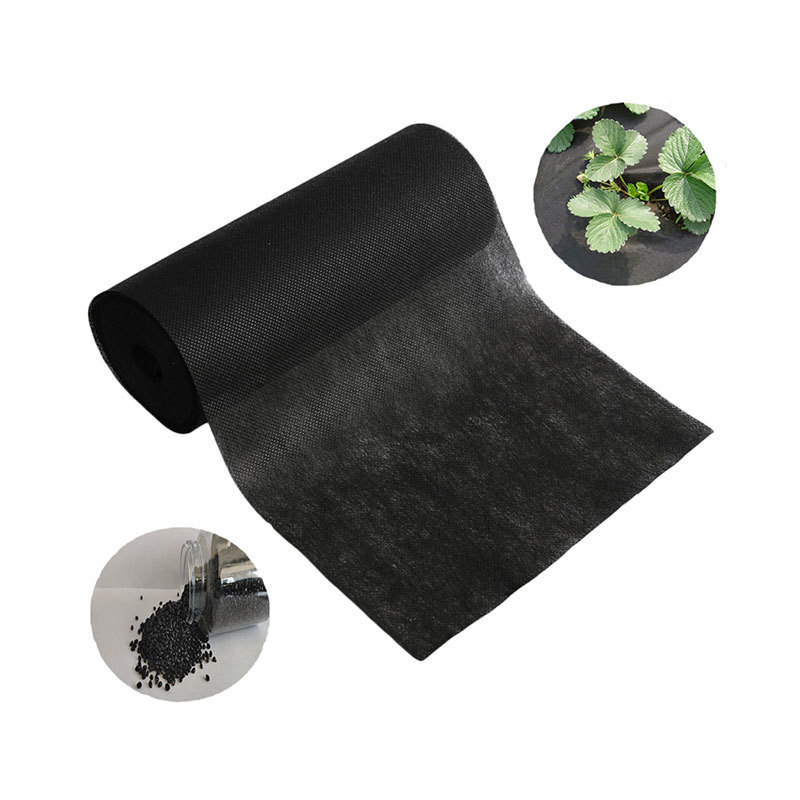
The applications of polyester spunbond fabric are extensive. In the agricultural sector, it is commonly used as crop covers, providing protection against pests and extreme weather conditions. In the automotive industry, it serves as insulation and soundproofing material. Additionally, its properties make it suitable for home furnishings, such as upholstery and curtains.
In conclusion, polyester spunbond fabric stands out due to its strength, breathability, light weight, and versatility, making it a valuable material in the nonwoven textile industry. Understanding its characteristics and applications can help professionals in various fields make informed decisions regarding their production needs and material selections. As the demand for innovative and sustainable textiles continues to grow, polyester spunbond fabric is likely to remain a key player in this dynamic industry.
One of the defining characteristics of polyester spunbond fabric is its exceptional strength. The fabric offers high tensile strength, making it suitable for applications that require durability. Additionally, it is resistant to tearing and has a good resistance to various chemicals, which makes it ideal for use in environments that may expose it to harsh substances.
Another significant advantage of polyester spunbond fabric is its breathability. Unlike traditional woven fabrics, spunbonded materials allow for air and moisture to pass through, making them ideal for applications such as hygiene products, medical textiles, and agriculture. For instance, in the healthcare sector, polyester spunbond fabric is used to create surgical gowns, drapes, and masks, providing a barrier against contaminants while ensuring comfort for the wearer.
Polyester spunbond fabric is also known for its lightweight nature. This feature is crucial in applications where weight is a concern, such as in the production of disposable products like bags and table covers. The fabric can be manufactured in various weights and thicknesses, allowing for customization based on specific needs.
Moreover, polyester spunbond fabric is environmentally friendly as it can be recycled and reused. Many manufacturers are now focusing on sustainable production practices, and the recyclability of polyester helps reduce waste in the textile industry. Additionally, the fabric can be dyed and printed easily, offering aesthetic versatility for branding and design purposes.
The applications of polyester spunbond fabric are extensive. In the agricultural sector, it is commonly used as crop covers, providing protection against pests and extreme weather conditions. In the automotive industry, it serves as insulation and soundproofing material. Additionally, its properties make it suitable for home furnishings, such as upholstery and curtains.
In conclusion, polyester spunbond fabric stands out due to its strength, breathability, light weight, and versatility, making it a valuable material in the nonwoven textile industry. Understanding its characteristics and applications can help professionals in various fields make informed decisions regarding their production needs and material selections. As the demand for innovative and sustainable textiles continues to grow, polyester spunbond fabric is likely to remain a key player in this dynamic industry.
polyester spunbond fabric
Prev

LEAVE A MESSAGE
MESSAGE